Sustainable Site Performance Through Invisible Infrastructure: JBC's Technical Expertise at work at the Missouri Botanical Garden

PHOTO CREDIT: MISSOURI BOTANICAL GARDEN


Designing the Future of the Missouri Botanical Garden

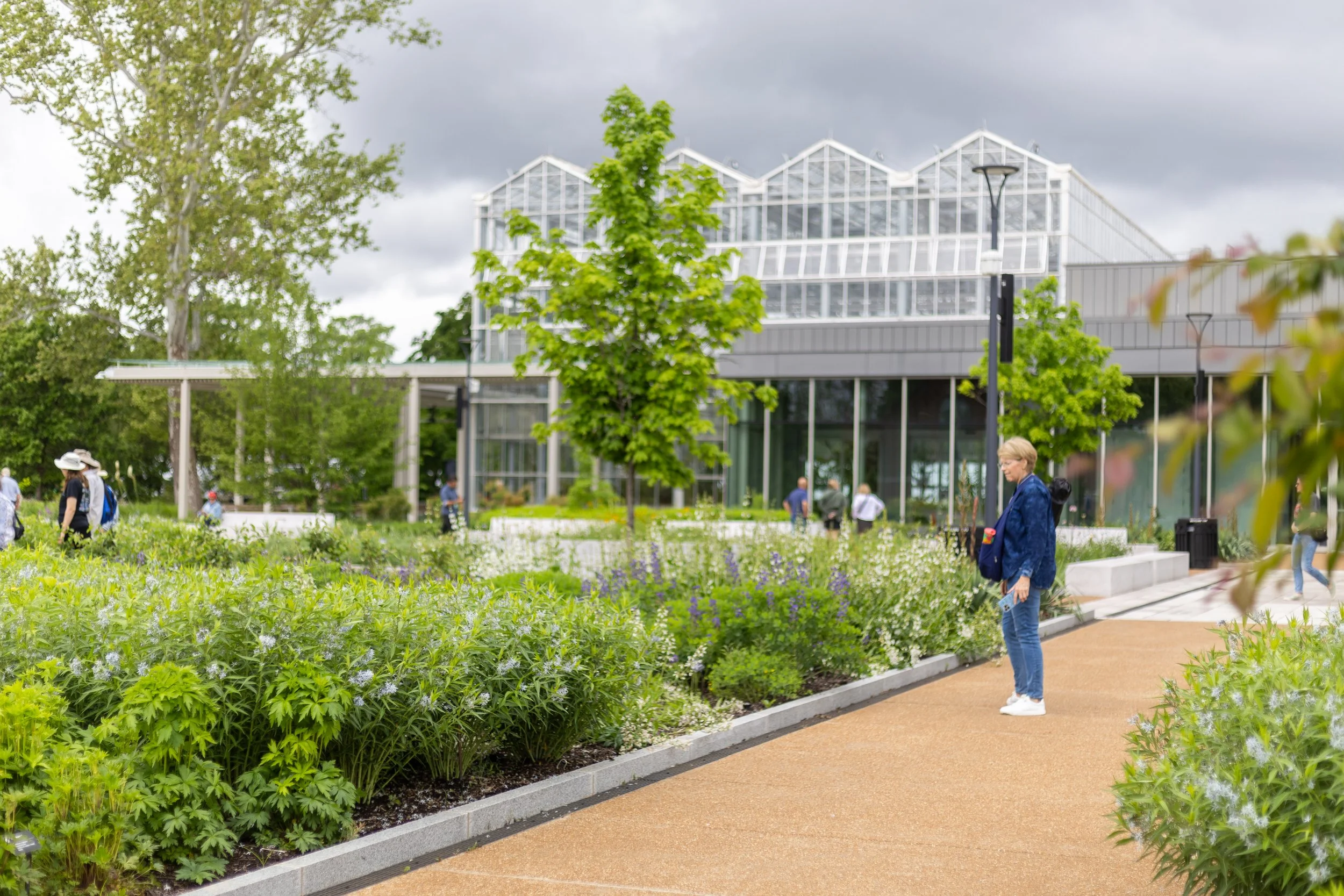
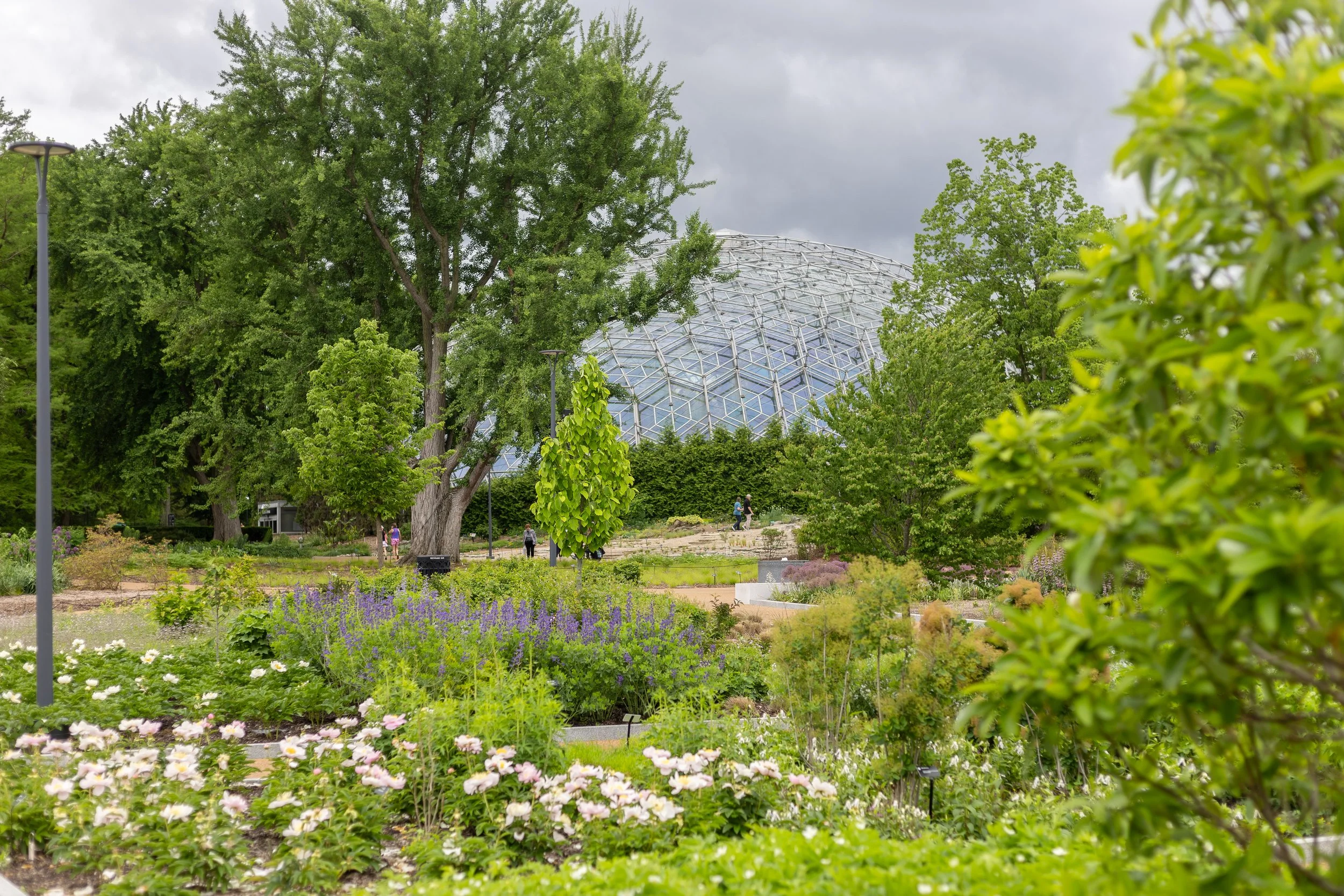
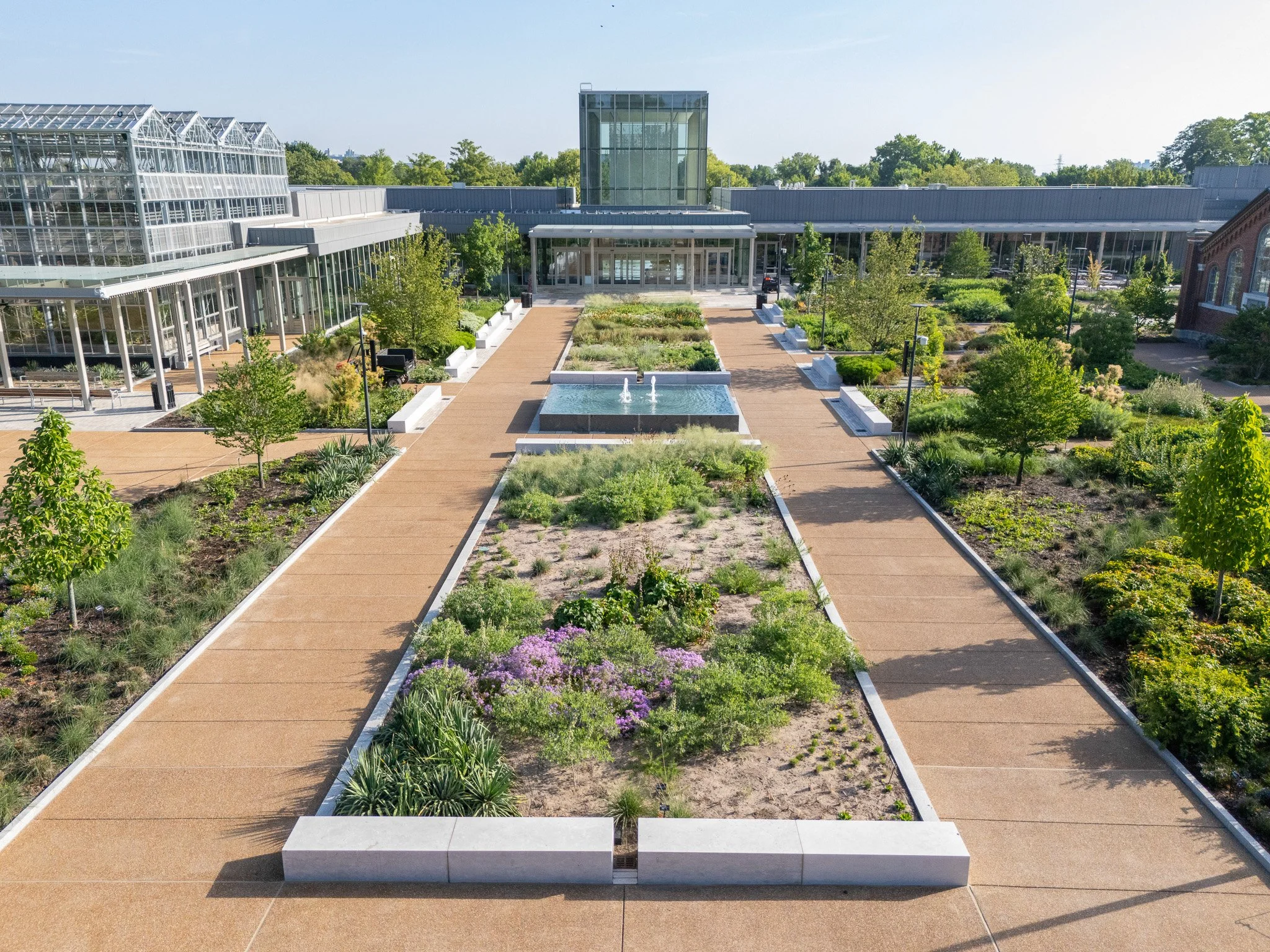
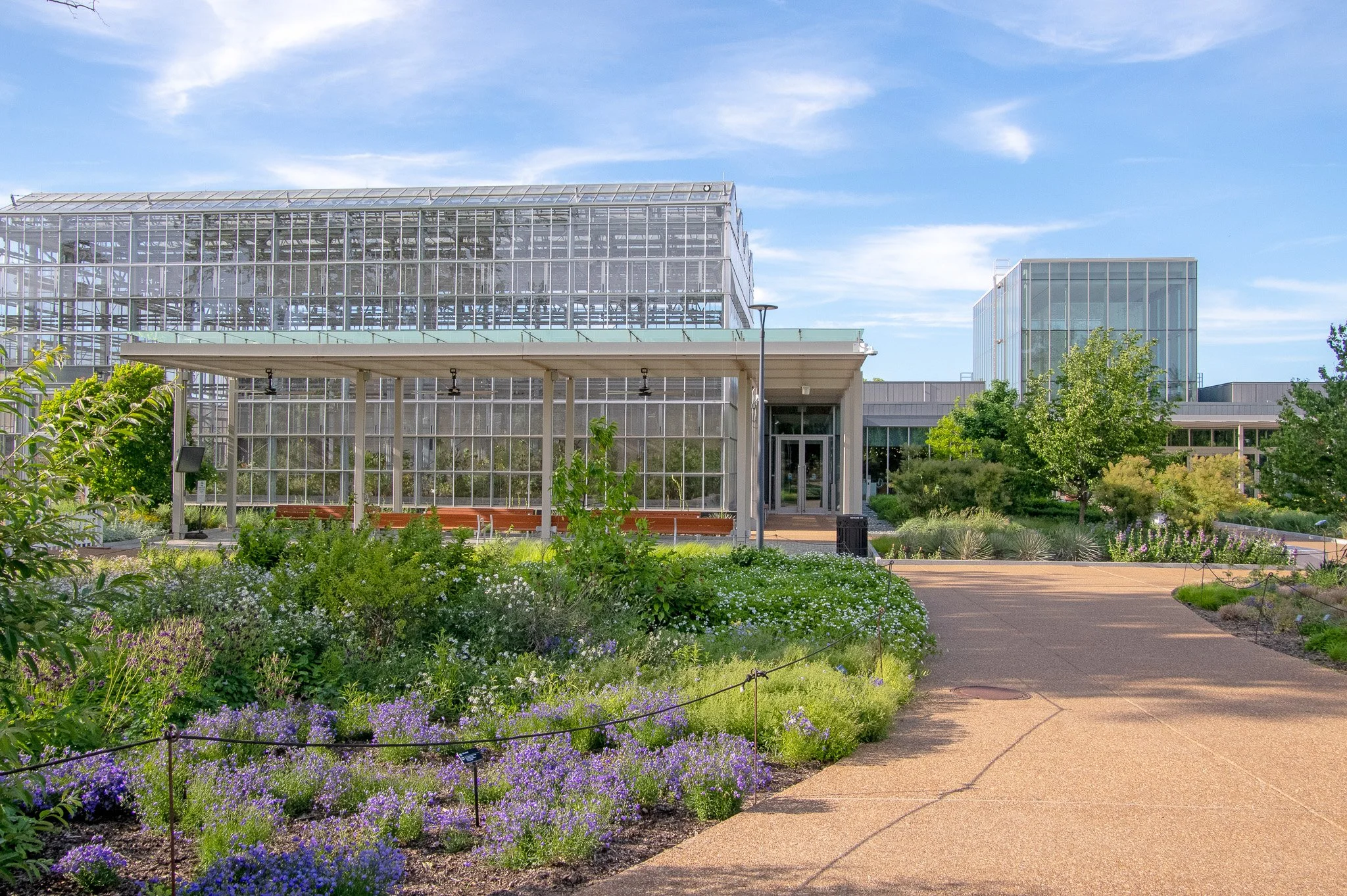
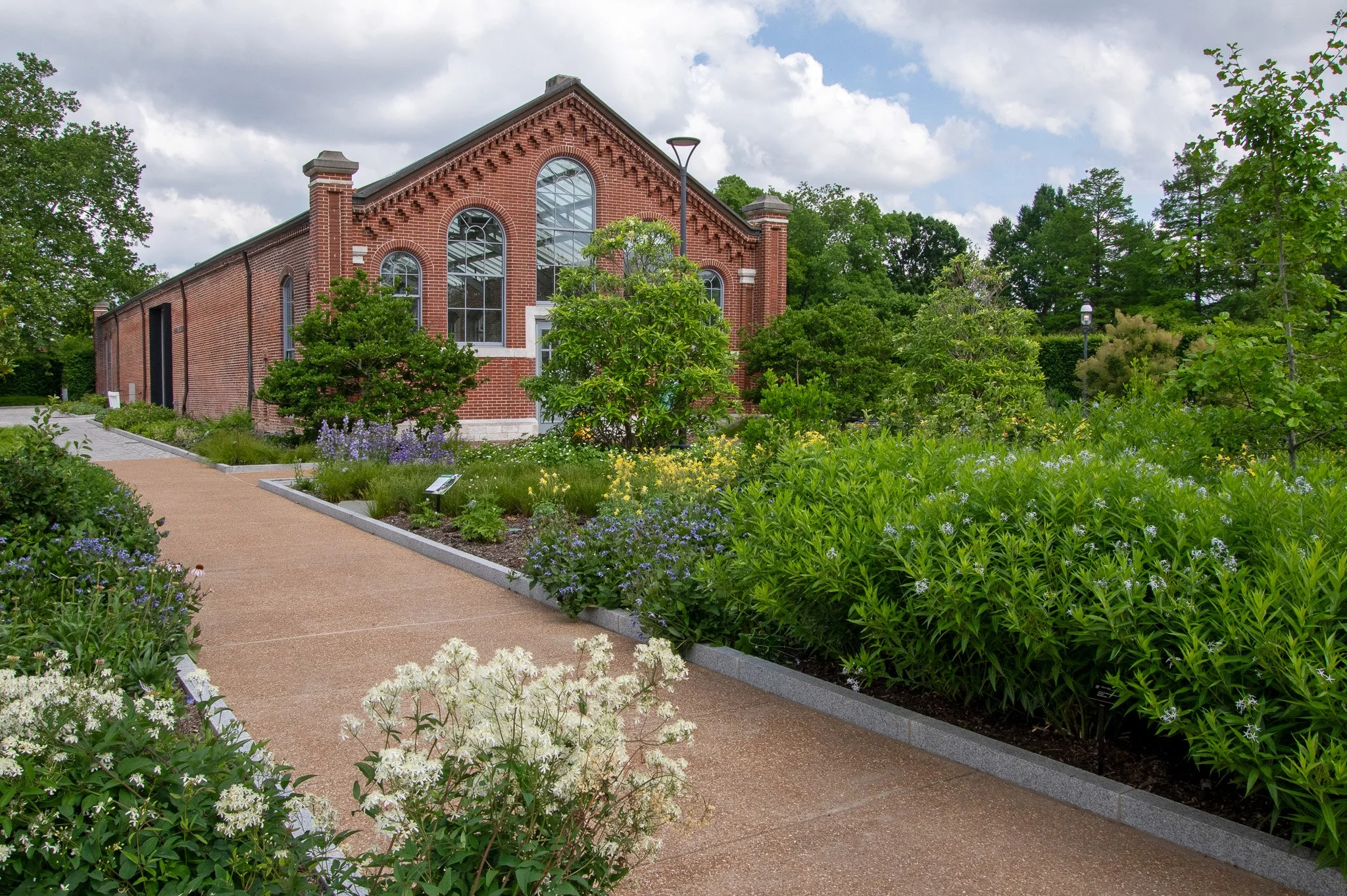
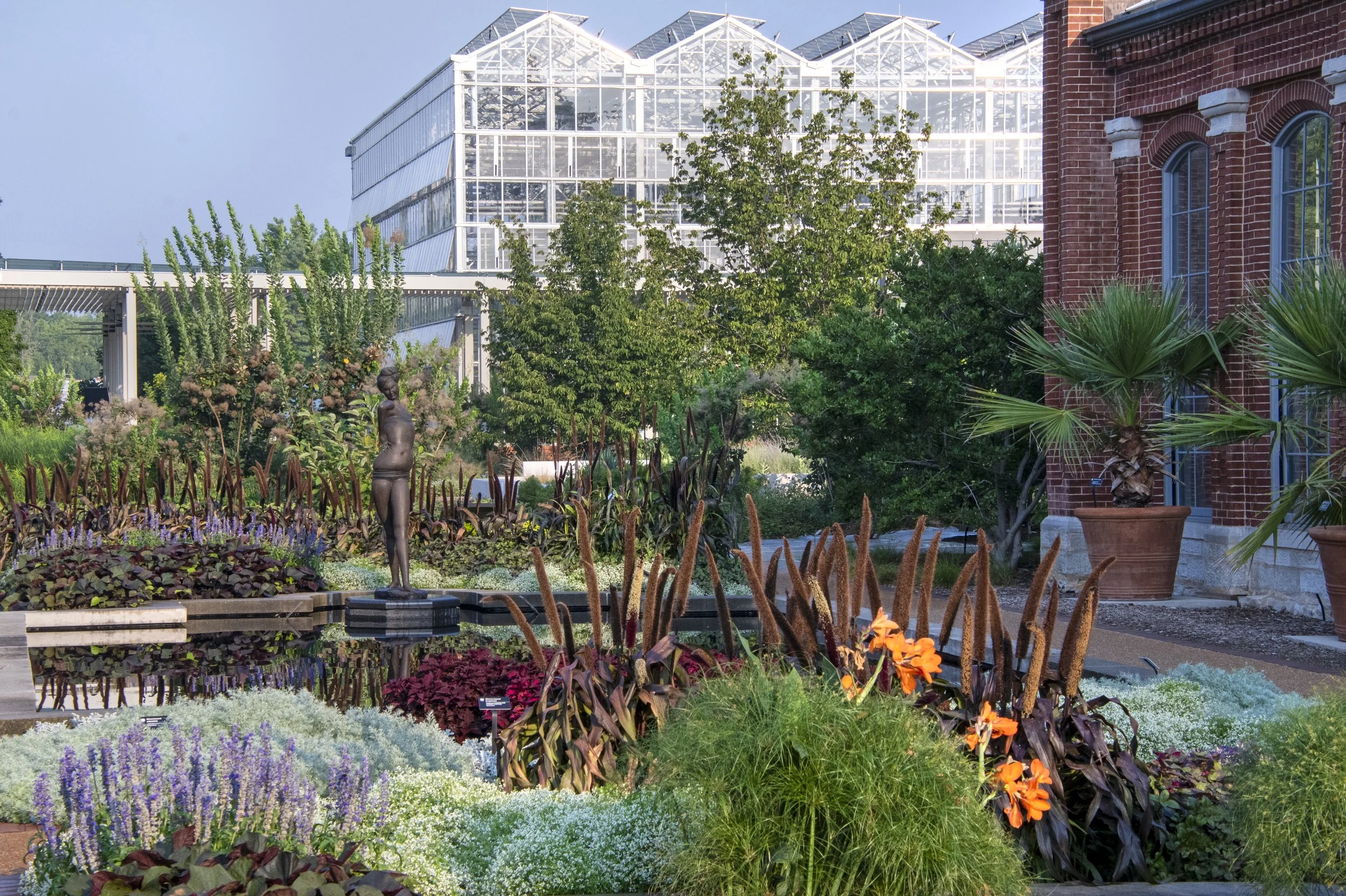
The new Jack C. Taylor Visitor Center at the Missouri Botanical Garden seamlessly transitions visitors from city life into the serenity of the botanical garden. The lush, thriving landscape that defines the arrival experience is not accidental. It is the result of a complex, invisible network of high-performance green infrastructure.

Photo credit: Yu Xiao, Michael Vergason Landscape Architects, Ltd.

As a specialized green infrastructure subconsultant, JBC Landscape Architects was a key technical partner in this transformation. Working in close coordination with the design team including Ayers Saint Gross, Michael Vergason Landscape Architects, and Arbolope Studio, JBC was responsible for designing the foundational systems that ensure the project’s long-term ecological and operational success.

Photo credit: Yu Xiao, Michael Vergason Landscape Architects, Ltd.


The Backbone of Site Performance

While the visual focus is often on the plant specimens that line the entry sequence, the true work of the landscape happens below the surface. JBC led the design of comprehensive landscape support systems, including sophisticated integrated irrigation and subdrainage networks. These systems are specifically designed to provide the precise level of hydration and drainage required for a living collection that represents over 300 global species.

photo credit: missouri botanical garden

In a botanical setting, precision is everything. Our expertise in green infrastructure ensures that every portion of the site, from the raised planters to the expansive ground-level beds, functions reliably under the varying weather conditons of the Midwest. By balancing water distribution with rapid drainage, JBC contributed to a site that protects the Garden’s living assets while minimizing the wear and tear that high-traffic public spaces often experience.

photo credit: missouri botanical garden


Innovative Stormwater Strategies and Resource Recovery

A centerpiece of the project’s sustainability goals is its forward-thinking approach to water management. JBC collaborated with the design team to integrate stormwater management strategies that go beyond simple runoff control. The site is a model of resilient landscape design featuring:

  • Rainwater Harvesting: A massive underground cistern captures rooftop runoff, which is then filtered and reused for greenhouse irrigation.

  • Pervious Systems: Strategic use of permeable paving and bioretention areas allows for stormwater retention on-site during typical rain events, significantly reducing the load on municipal systems.

  • Holistic Infiltration: By ensuring water quality through controlled infiltration, the subdrainage infrastructure supports thriving plant communities in both formal and naturalistic settings, all while achieving LEED Gold certification.

photo credit: missouri botanical garden


Protecting Legacy Through Technical Expertise

Designing and constructing the landscape for a new visitor center for a 160-year-old National Historic Landmark requires a careful, precise approach. JBC worked with local suppliers to source various soil types to align with and support the planting design. This work was critical in protecting the site’s historic trees and to ensure tree health. By coordinating design to confirm that the new infrastructure did not interfere with existing root zones, JBC assisted the design team in preserving the Garden’s legacy for future generations.

photo credit: missouri botanical garden

By bridging the gap between grand architectural vision and rigorous site performance, JBC exemplifies how a specialized technical landscape architecture partner can elevate a project. Our work on the Jack C. Taylor Visitor Center proves that for a public space to be truly beautiful over the long-term, it must first be designed with sustainable resilience in mind.

photo credit: missouri botanical garden

Steeple Square: Transforming a Historic Church Site into a Community Green Space

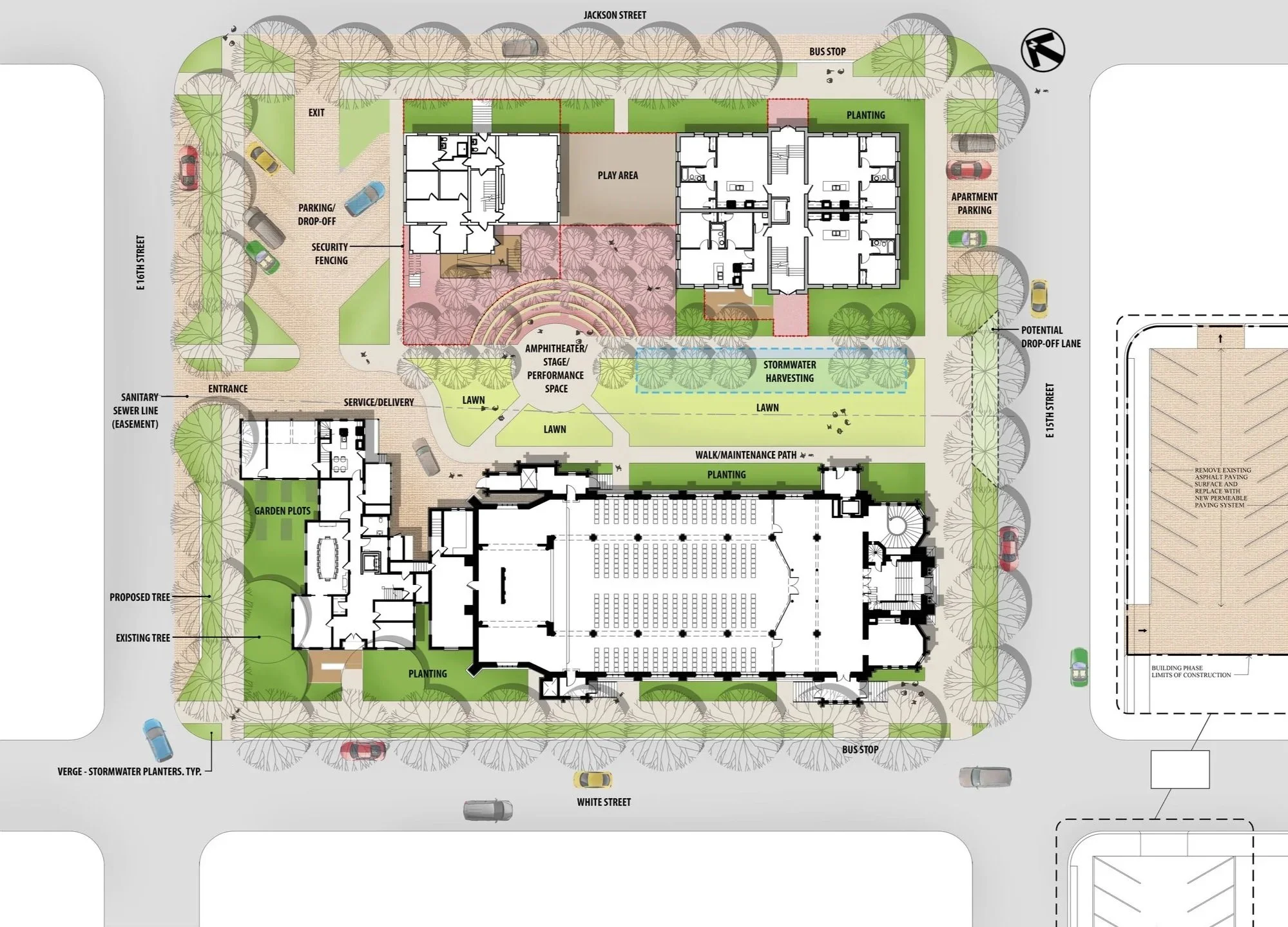
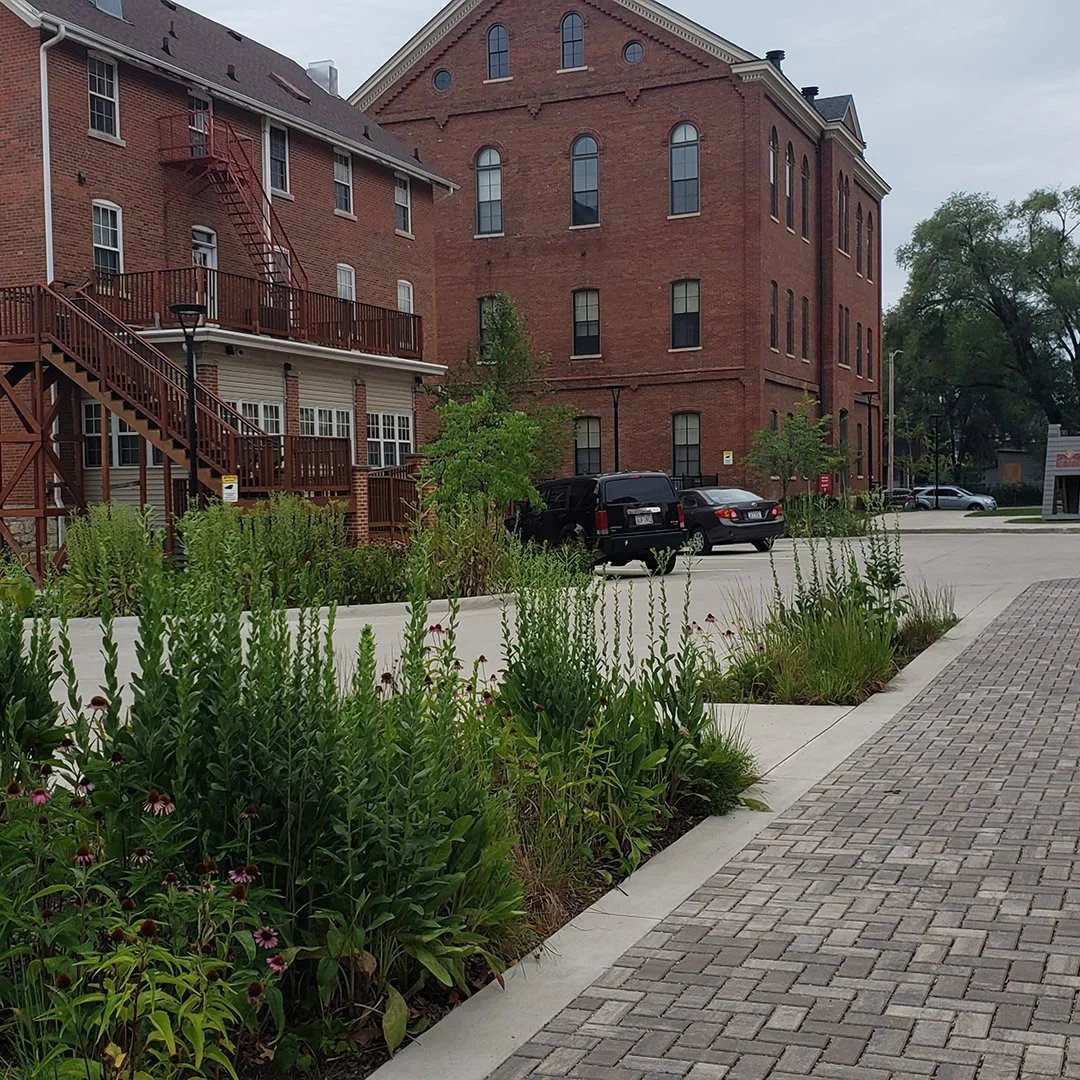
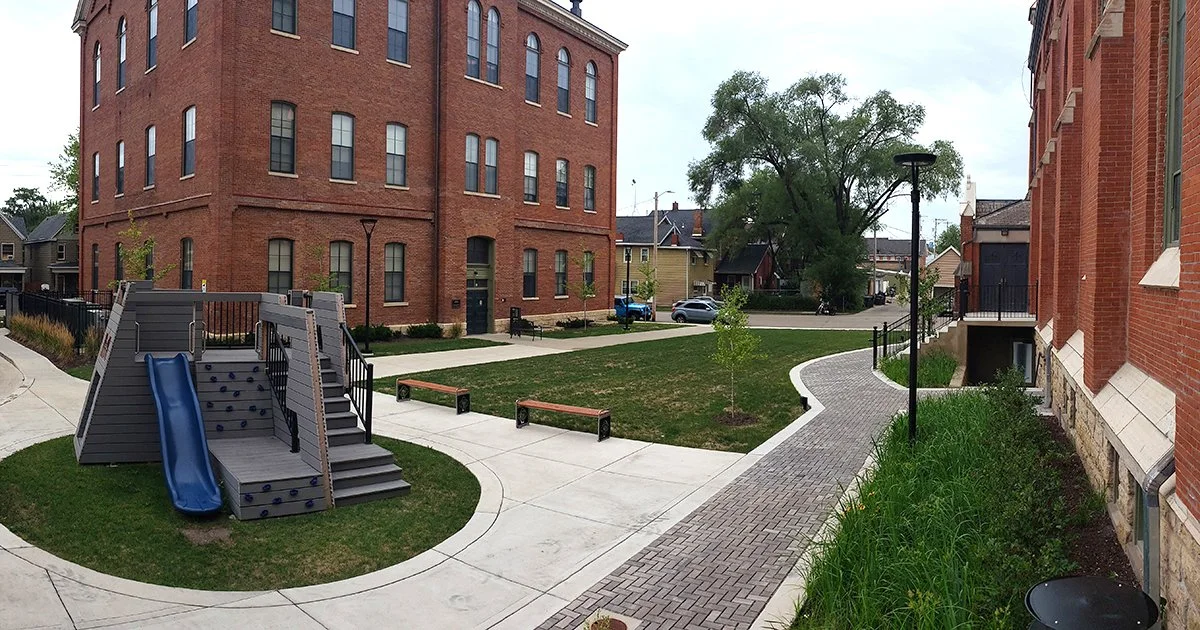
The Steeple Square project in Dubuque, Iowa, represents a transformative effort to bring new life and purpose to a historic property while serving the surrounding community. The project centers on the former St. Mary’s Church, which was decommissioned and renovated by Gronen Restoration into a vibrant community event center. JBC, serving as lead landscape architect and designer, was tasked with creating an outdoor environment that not only complemented the event center, but also provided much-needed green space and recreational opportunities for an underserved neighborhood.

What made the project especially distinctive was JBC’s role throughout the entire process, from master planning and schematic design through construction documents and administration. A central challenge involved working with the City of Dubuque to vacate an adjacent alley so the site could expand into a functional public park. That process required extensive coordination over five years, involving multiple city departments and careful documentation. The result was the creation of a safe and accessible open space that extends the community event center into the outdoors while offering lasting benefits for residents.

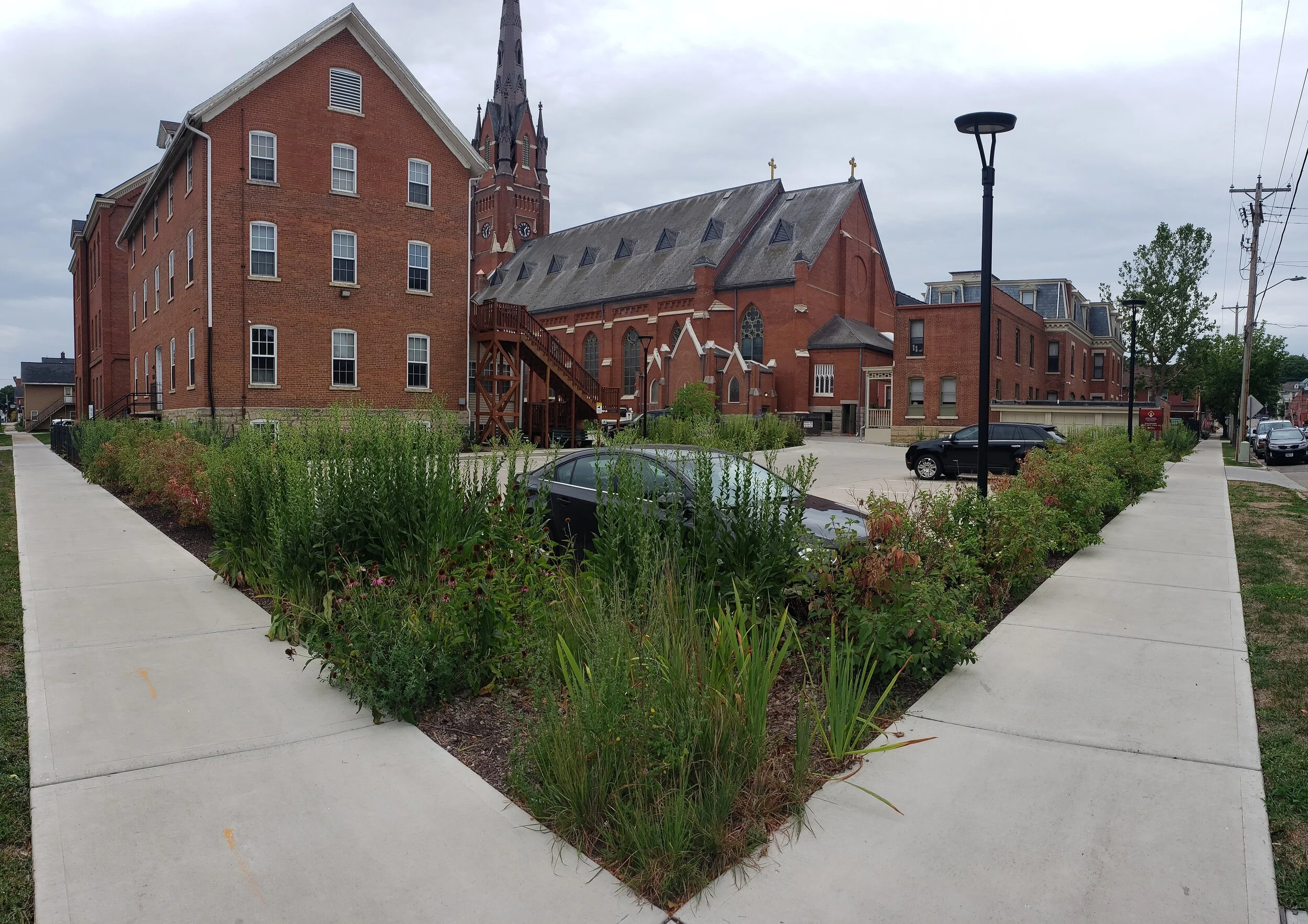
The design integrated stormwater management solutions that balanced community needs with environmental responsibility. Because additional impervious surfaces were introduced as part of the development, JBC incorporated underground stormwater detention chambers, as well as surface bioretention cells, to slow runoff, reduce volume, and promote infiltration. These systems enhanced both the ecological performance of the site and its long-term resilience.

Engaging the neighborhood was another critical aspect of the project. JBC hosted public meetings where community opinion was initially divided, but through dialogue, design revisions, and persistence, the project gained strong support. Today, the park is well-received and actively used, reflecting its success as a community asset. Beyond the open space and event lawn, JBC also designed an age-appropriate playground for the childcare center housed in the former rectory, further extending the site’s value to local families.

The Steeple Square project has been widely recognized for its contribution to preservation and community revitalization, earning the 2024 State of Iowa Margaret Keys Historic Preservation Award. By transforming an underutilized property into a thriving public resource, the project demonstrates the power of design to honor history while creating new opportunities for connection, recreation, and resilience.

Sustainable Solutions for a Historic Landscape: The Farrand House Project at Dumbarton Oaks

IMAGE COURTESY OF REED HILDERBRAND

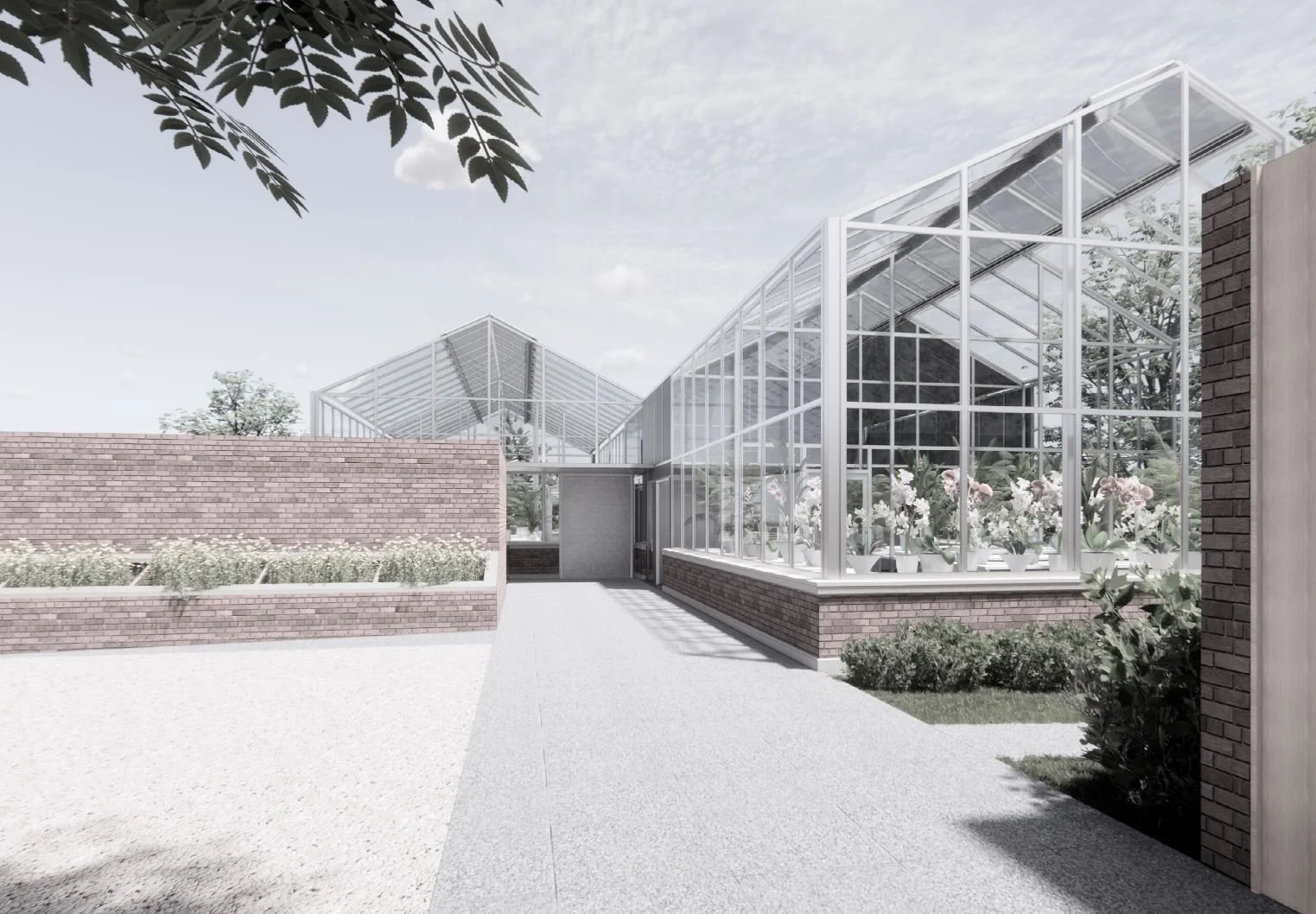
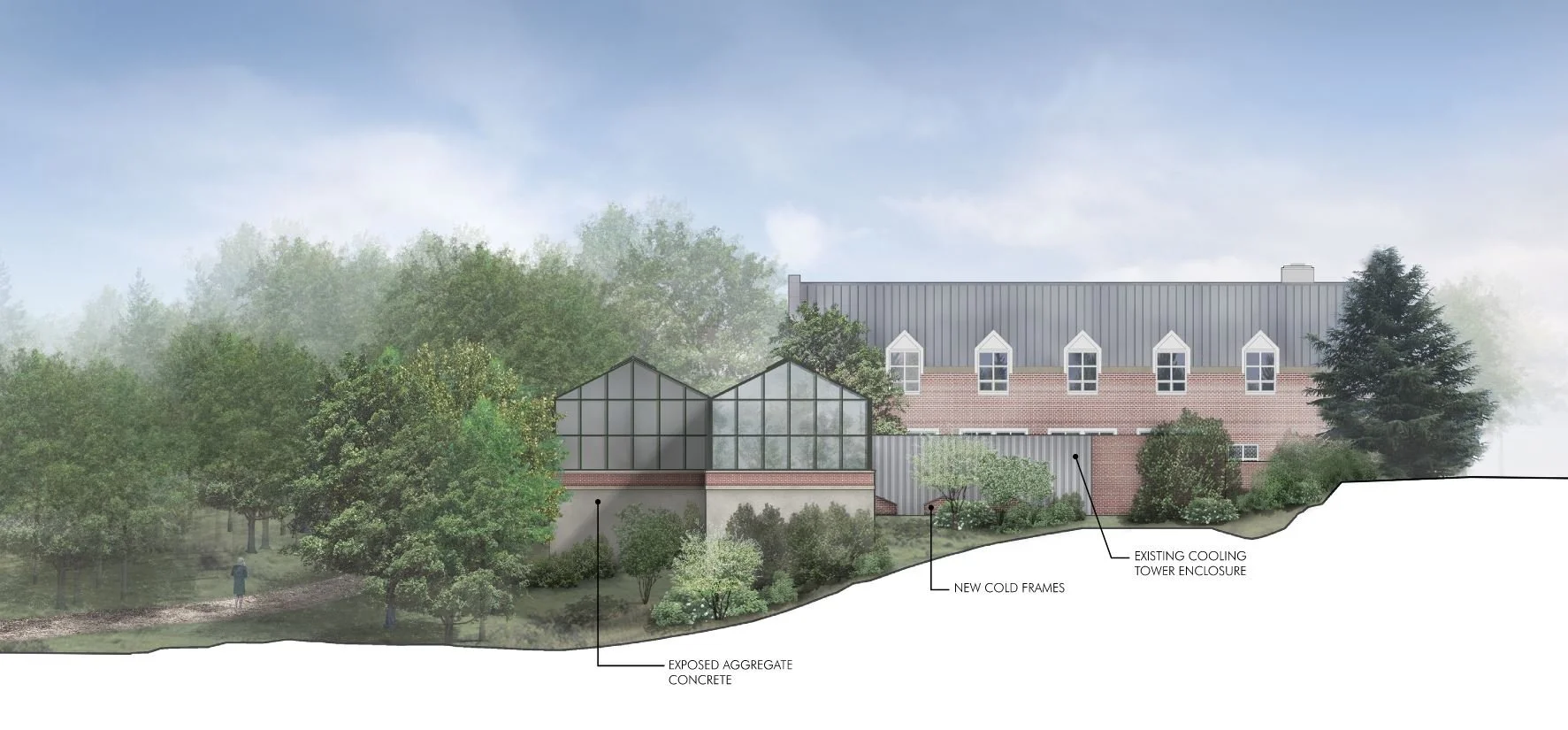
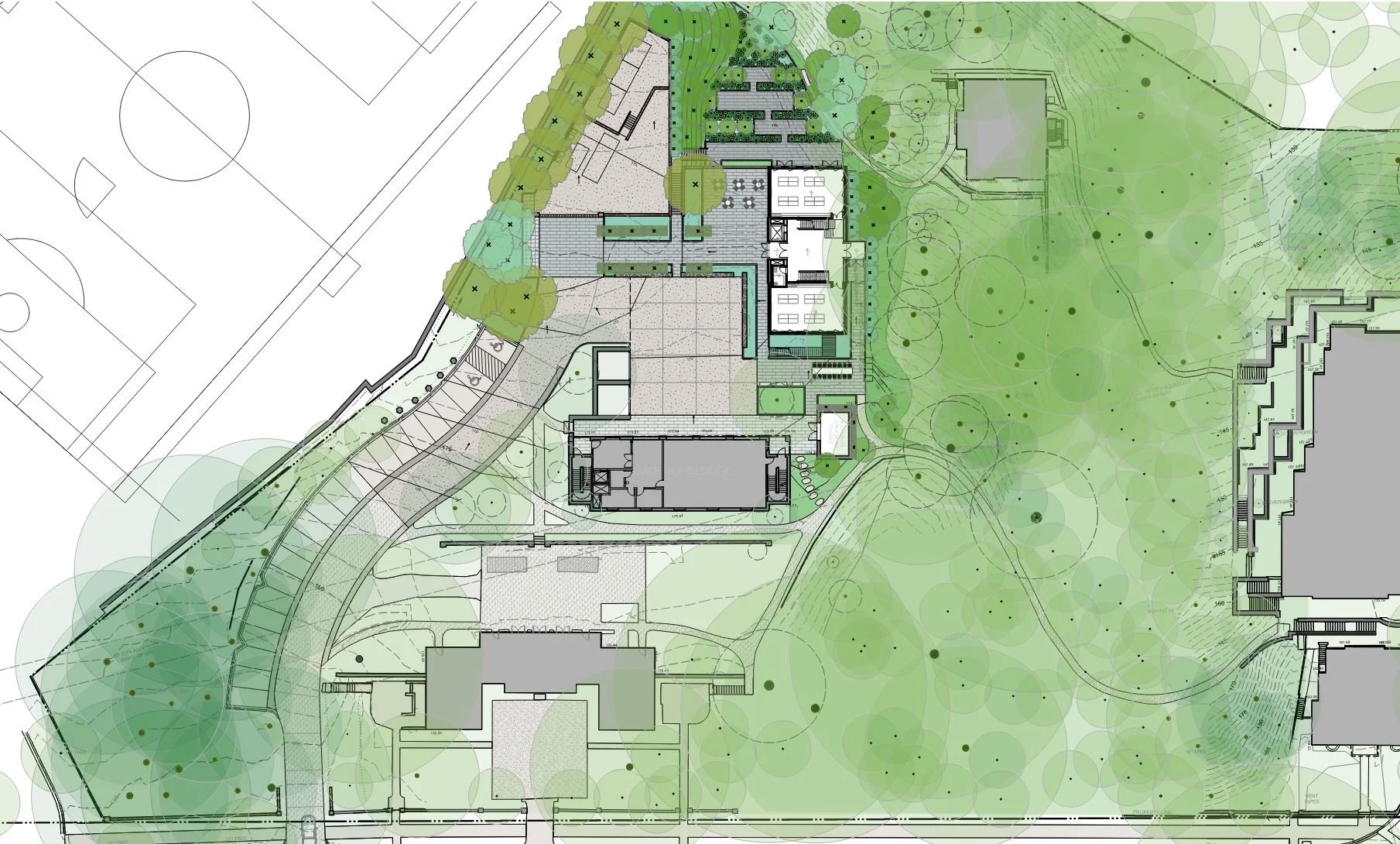
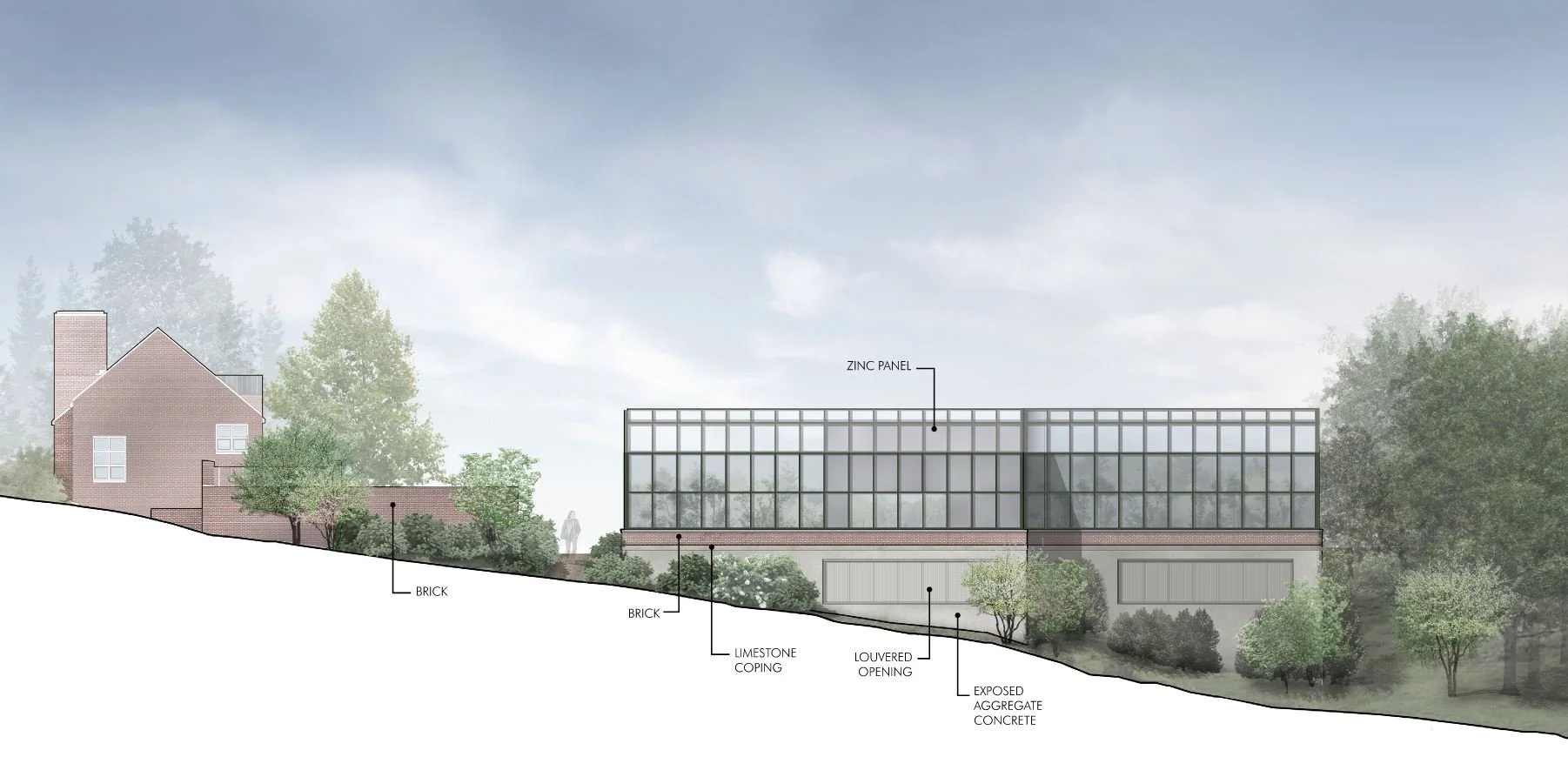
At the Dumbarton Oaks Farrand House project in Washington, D.C., JBC collaborated closely with Reed Hilderbrand and Selldorf Architects to provide integrated design for irrigation, soils, and subdrainage systems. This work supported the renovation of the historic greenhouse area and its transformation into an educational outreach center. JBC’s role was foundational in ensuring the site’s landscape systems functioned sustainably and efficiently, both above and below ground.

IMAGE COURTESY OF REED HILDERBRAND

Given the property’s historic significance, JBC employed low-impact strategies that met modern performance standards while respecting the legacy of the historic site. One of the key challenges was the limited water pressure available for irrigation. JBC responded with a carefully calibrated system using low-volume, low-pressure-rated equipment to provide adequate coverage without overtaxing the infrastructure. The team also worked within an exceptionally tight footprint, where space for utilities, planting, and circulation was at a premium.

IMAGE COURTESY OF REED HILDERBRAND

JBC’s soil and subdrainage solutions were designed to optimize fertility and drainage, promoting long-term health and resilience of the landscape. One of the most significant accomplishments was fitting substantial soil volumes into the constrained entry walkway to support growth of new overstory trees. This attention to detail and technical precision will have a lasting impact on the overall health of the landscape and visitor experience of the site.

IMAGE COURTESY OF REED HILDERBRAND

By integrating green infrastructure into a complex historic setting, JBC helped shape a landscape that is as sustainable as it is functional. The result supports the Dumbarton Oaks mission of education and stewardship by enhancing the landscape while establishing new spaces for learning, art, and innovation.