

Designing Urban Resilience: Inside JBC’s Green Infrastructure Design for Citygarden
/The Hidden Infrastructure Behind Citygarden in St. Louis
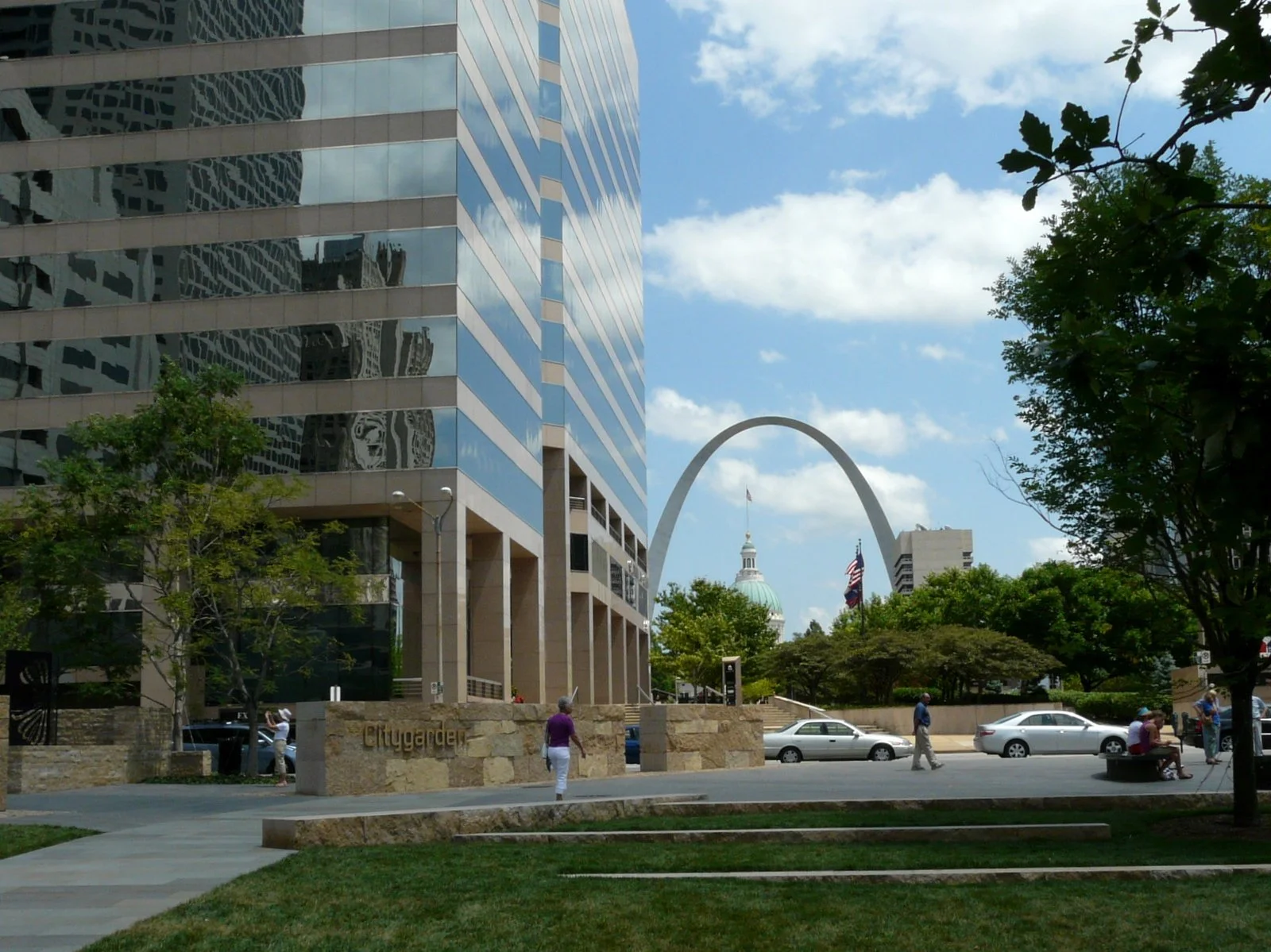
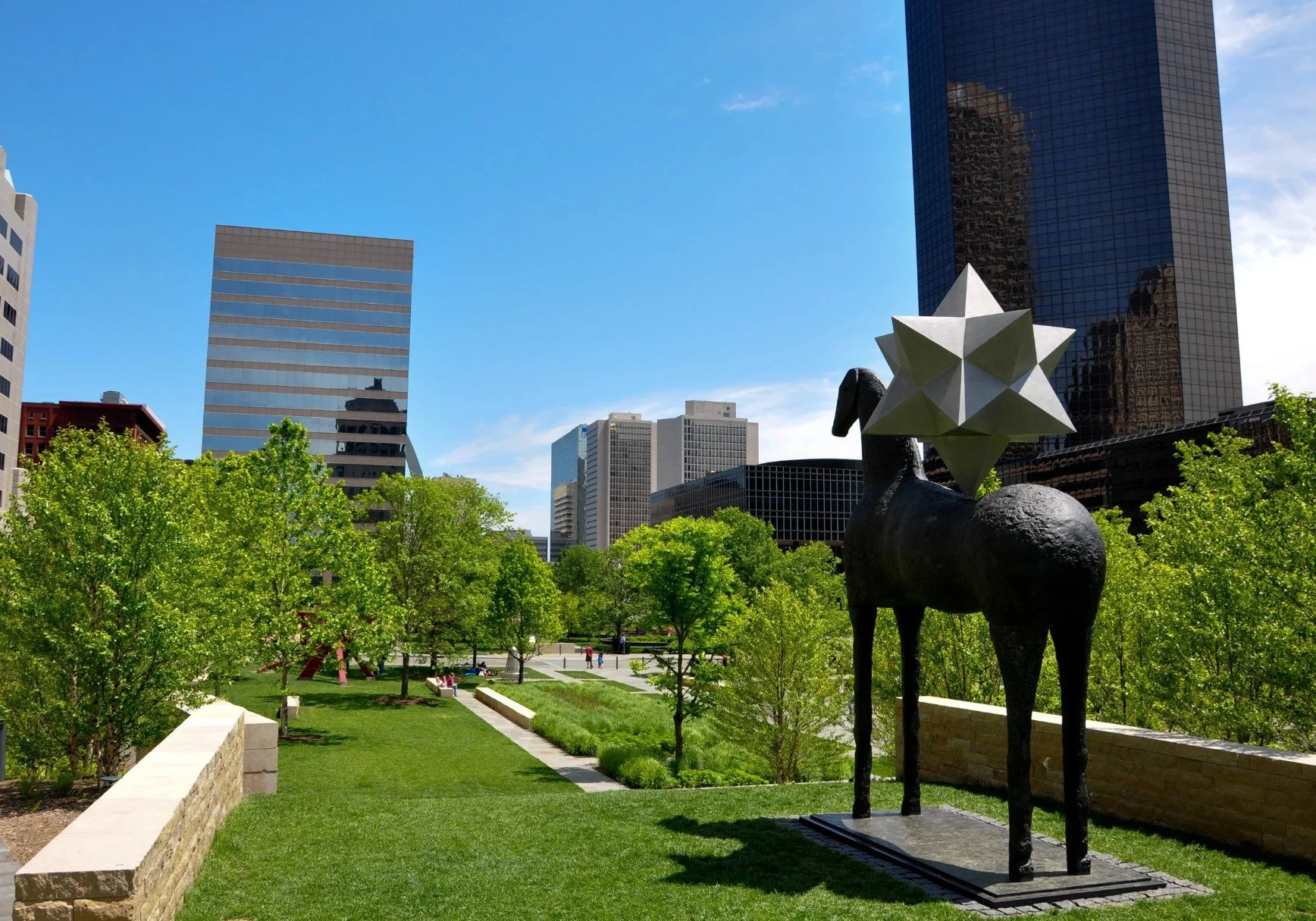
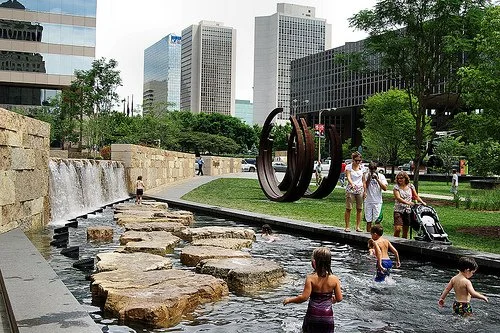
Located just blocks from the Gateway Arch in downtown St. Louis, Citygarden stands as a vibrant 2.9-acre public park and sculpture garden. Spanning two full city blocks along the Gateway Mall, this 19-square-block green spine runs through the heart of the city. Visitors to the park interact with contemporary art sculptures, gather around water features, and enjoy green space amidst the surrounding urban hardscape.
Public parks like Citygarden draw heavy foot traffic and require an invisible infrastructure capable of supporting dense crowds while also preserving plant health. As a specialized subconsultant on the project, JBC Landscape Architects was brought in to design the invisible green infrastructure that contributes to Citygarden’s sustainability over time while minimizing long-term maintenance costs.
Overcoming Urban Soil Degradation
Before its transformation, decades of urban development had left behind over-compacted, rubble-filled soils that lacked the porosity, nutrient retention, and structure necessary for long-term plant growth. To establish a healthier high-performing substrate, JBC designed three custom soil mixes tailored to the specific ecological and structural demands of different zones across the site for tree roots, turfgrass, and ornamental plantings. By replacing the degraded rubble with engineered soil profiles, plants could establish deep root systems and thrive in the urban environment.
JBC also designed high-performance turf solutions to specifically withstand intense recreational use without requiring constant turf replacement or intensive chemical inputs.
Managing Stormwater On-Site Through Green Infrastructure
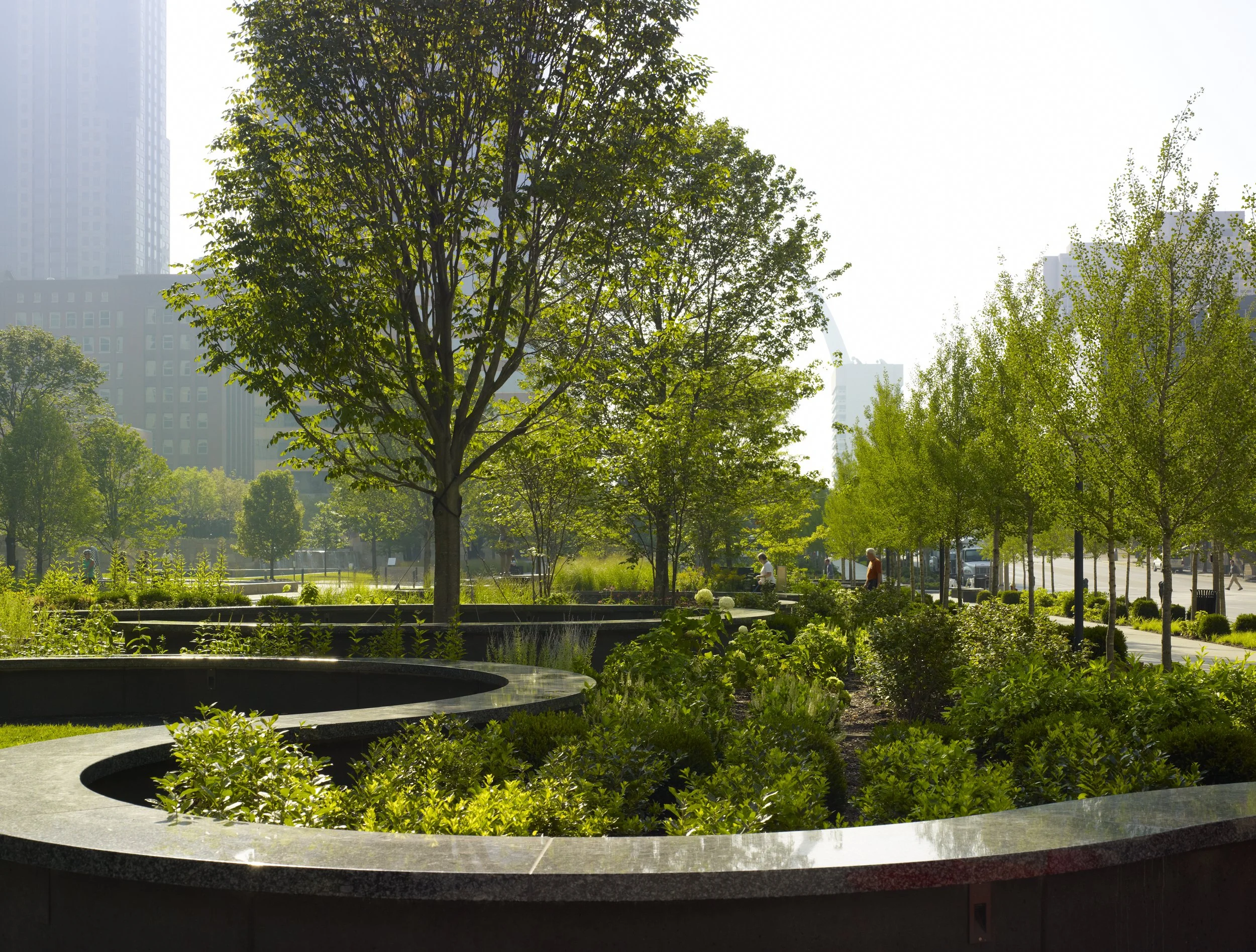
Beyond supporting plant life, the soil systems play a central role in site hydrology. In dense urban centers like Citygarden, stormwater runoff can quickly overwhelm municipal storm sewers, washing pollutants into local waterways. The design team addressed this by integrating stormwater management directly into the design of the park.
Two-thirds of Citygarden’s total stormwater drainage is captured, treated, and managed within the boundaries of the site. Central to this strategy are more than 5,000 square feet of strategically placed rain gardens. These bioretention areas capture surface runoff from surrounding paved areas, filtering sediments and allowing water to infiltrate slowly back into the ground.
JBC paired these surface bioretention areas with sophisticated subsurface drainage networks. The subsurface system rapidly moves excess water away from heavy-use lawn areas during major storm events, preventing waterlogging and soil erosion.
A Benchmark for Resilient Urban Design
Citygarden demonstrates how technical landscape architecture elevates public space. Through seamless collaboration with the Gateway Foundation, the City of St. Louis, Nelson Byrd Woltz Landscape Architects, Studio Durham Architects, and the Missouri Botanical Garden, the project team transformed a degraded urban space into a resilient public park, proving that thoughtful site design is the true foundation of lasting urban landscapes.
Collaborator Acknowledgements
Client / Lead Entities: Gateway Foundation | City of St. Louis, MO
Landscape Architecture: Nelson Byrd Woltz, Landscape Architects (Charlottesville, VA)
Architects: Studio Durham, Architects (St. Louis, MO)
Horticultural Partner: Missouri Botanical Garden (St. Louis, MO)
Engineered Soils, Subdrainage & Turf Design: JBC Landscape Architects